
Treatments
Directions of restorative treatment of lower-limb joints.
What is important to know about arthrosis treatment
Osteoarthritis (osteoarthrosis) is a chronic joint disease in which degenerative changes gradually develop within the joint tissues, leading to joint pain, restriction of movement, and a decreased quality of life. In the vast majority of cases, osteoarthritis of the large joints is equated with the destruction of articular cartilage. However, in reality, the "destruction or wearing away of cartilage" occurs within the joint only during the terminal stages of the disease.
According to World Health Organization data, over the last 10–15 years, osteoarthritis of the hip and knee joints has significantly "youngened". While previously the diagnosis of "joint osteoarthritis" was established in individuals aged 45–50 years, currently, osteoarthritis is diagnosed in 5%–7% of individuals at 30 years of age.
The treatment of osteoarthritis can be conventionally divided into two periods. The first period is palliative treatment, where therapy is aimed not at eliminating the root cause of the disease, but at alleviating its symptoms. The utilization of a vast arsenal of various ointments, oral and injectable medications, intra-articular administration of hyaluronic acid and other drugs, physiotherapy procedures, and sanatorium-resort treatment allows patients to get rid of joint pain for a certain period, or at least reduce it. Unfortunately, however—sooner in some, later in others—the joint pain returns and the treatment is repeated, but this time using stronger and more expensive medications. Gradually, the periods of pain-free life shorten, and a time comes when the joint pain becomes constant and literally exhausts the patient; at this stage, there is only one option—endoprosthetics, which is the replacement of one's native joint with an artificial one (the second period of treatment). Everything would be fine if a joint endoprosthesis, once implanted, could serve the patient for the rest of their life. Regrettably, this is not the case. In the vast majority of instances, especially in young patients, joint replacement must be performed 2 or even 3 times over their lifetime.
While previously in Europe and the USA joint endoprosthetics was performed in individuals of any age category, over the past 20 years, the attitude toward prescribing this surgical procedure has become more cautious and restricted. At international conferences and symposia, the point is constantly raised that joint endoprosthetics must be considered as a last resort; prior to it, the entire available arsenal of conservative and surgical treatment must be utilized to delay the time of joint replacement. The modern approach to joint replacement is based on the principle that "a joint endoprosthesis, once implanted, must outlive its host". The necessity for such an approach is dictated by the incidence of various complications that arise after primary joint arthroplasty, and by a significant increase in the number of these complications following secondary (revision) joint replacement. Currently existing prostheses for the hip and knee joints cannot "fuse" with the bone, and sooner or later, prosthetic instability develops. This instability is accompanied by pain, "subsidence" of the prosthetic stem, and bone fractures in the area of the prosthetic stem, which requires endoprosthesis revision. According to some authors, the necessity for prosthesis replacement arises 5–7 years after the primary arthroplasty, while other authors report 12–15 years. Therefore, worldwide, the aim is to perform joint replacement as late as possible, when the patient's age exceeds 65 years or even older.
Practically all orthopedists worldwide are unanimous in their opinion that the cause of osteoarthritis, which begins to manifest at 40–50 years of age, was established 15–20 years prior to the appearance of the first signs of the disease. While a person is young, they rarely pay attention to discomfort arising in the joint area, and particularly to the causes that lead to this discomfort. But time passes, and the slowly developing joint disease makes itself known. Currently, studies aimed at identifying the causes of the onset of hip and knee osteoarthritis are being conducted in many countries around the world.
We performed an analysis of over 150 medical histories of hip and knee osteoarthritis development, along with the results of radiographic and MRI examinations performed in the same patients at different stages of the disease. The correlation of our obtained data with the laws of physics and joint biomechanics allowed us to take a different look at the causes of the onset and progression of osteoarthritis. Combining this knowledge with the biology of the stem cell and 20 years of experience using stem cells in clinical practice enabled us to develop our proprietary, original technology for treating joint osteoarthritis. This technology integrates the use of extra-articular surgical interventions with the intra-articular administration of specific types of stem cells. The application of this technology allows for the elimination of the primary cause of osteoarthritis and establishes the conditions required for the regeneration of joint tissues, including the cartilage tissue. The timely implementation of this technology allows for the prevention of further osteoarthritis progression, creating conditions for the reversal of the disease and the preservation of the patient's native joint. A substantial number of positive outcomes from using this technology confirms the validity of our views on the nature of osteoarthritis onset and the principles of its treatment.
Address the root cause — not just the symptoms
Modern global practice considers joint replacement a last resort. Our goal is to avoid replacement and create conditions for the joint’s recovery.
Identify the cause
Analysis of the medical history, MRI and panoramic X-ray from the standpoint of joint biomechanics.
Proprietary technology
A combination of surgery outside the joint and stem cell injection. Protected by patents of Ukraine and the USA.
Tissue restoration
Creating conditions for reversing the disease and restoring joint tissues, including cartilage.
Conditions we treat
 01
01
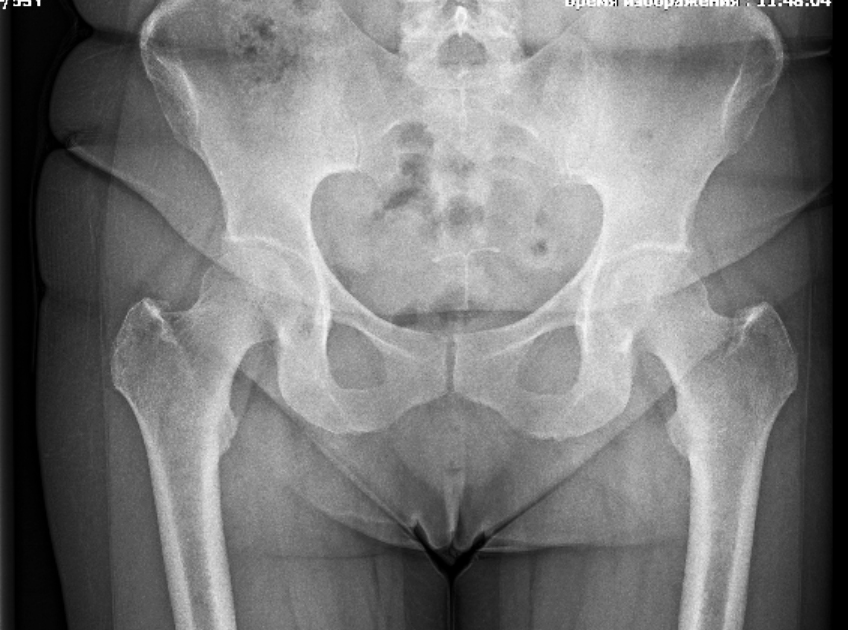
Hip osteoarthritis (coxarthrosis)
Degenerative-dystrophic disease of the hip joint.
 02
02
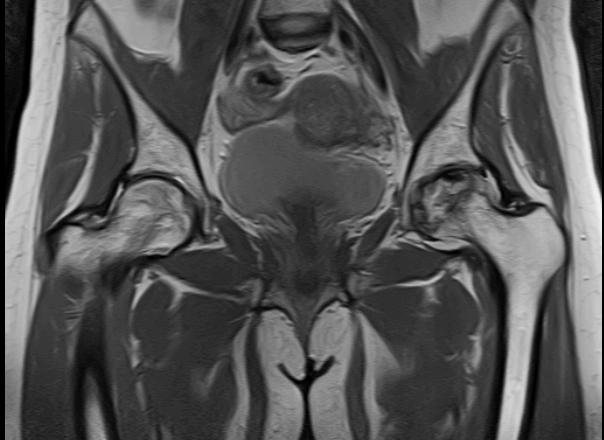
Avascular (aseptic) necrosis of the femoral head
Impaired blood supply and destruction of the femoral head.
 03
03
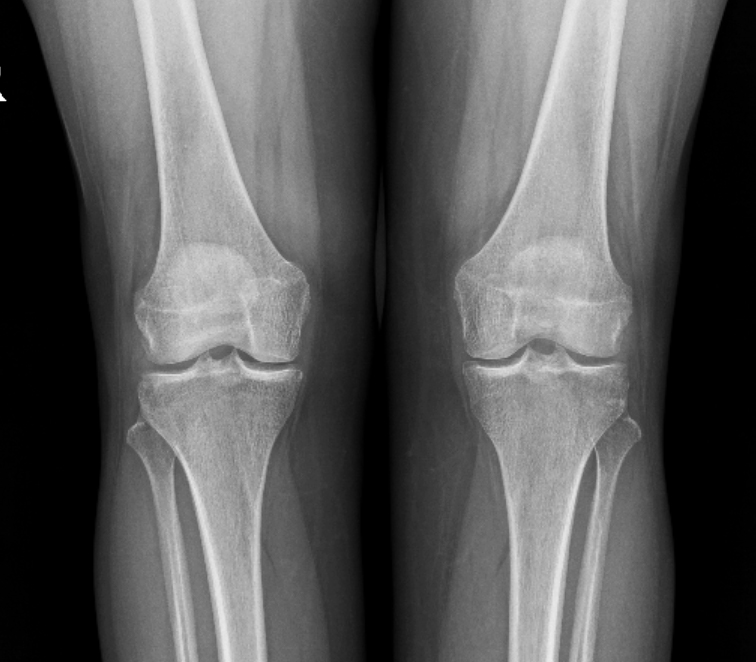
Knee osteoarthritis (gonarthrosis)
Degenerative-dystrophic disease of the knee joint.
 04
04
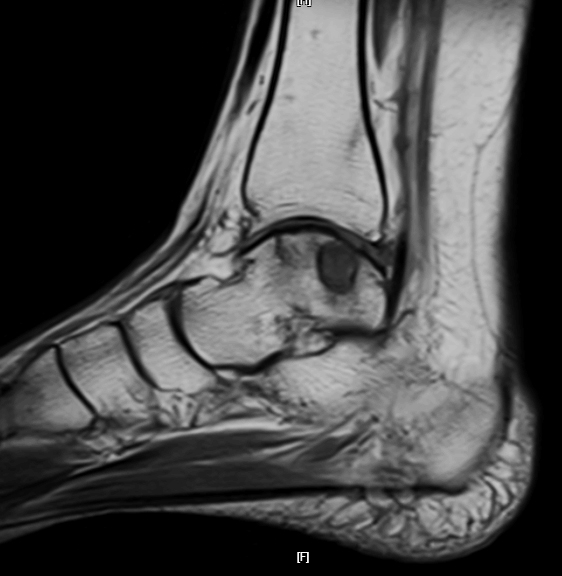
Avascular (aseptic) necrosis of the talus
Lesion of the talus bone of the ankle joint.